
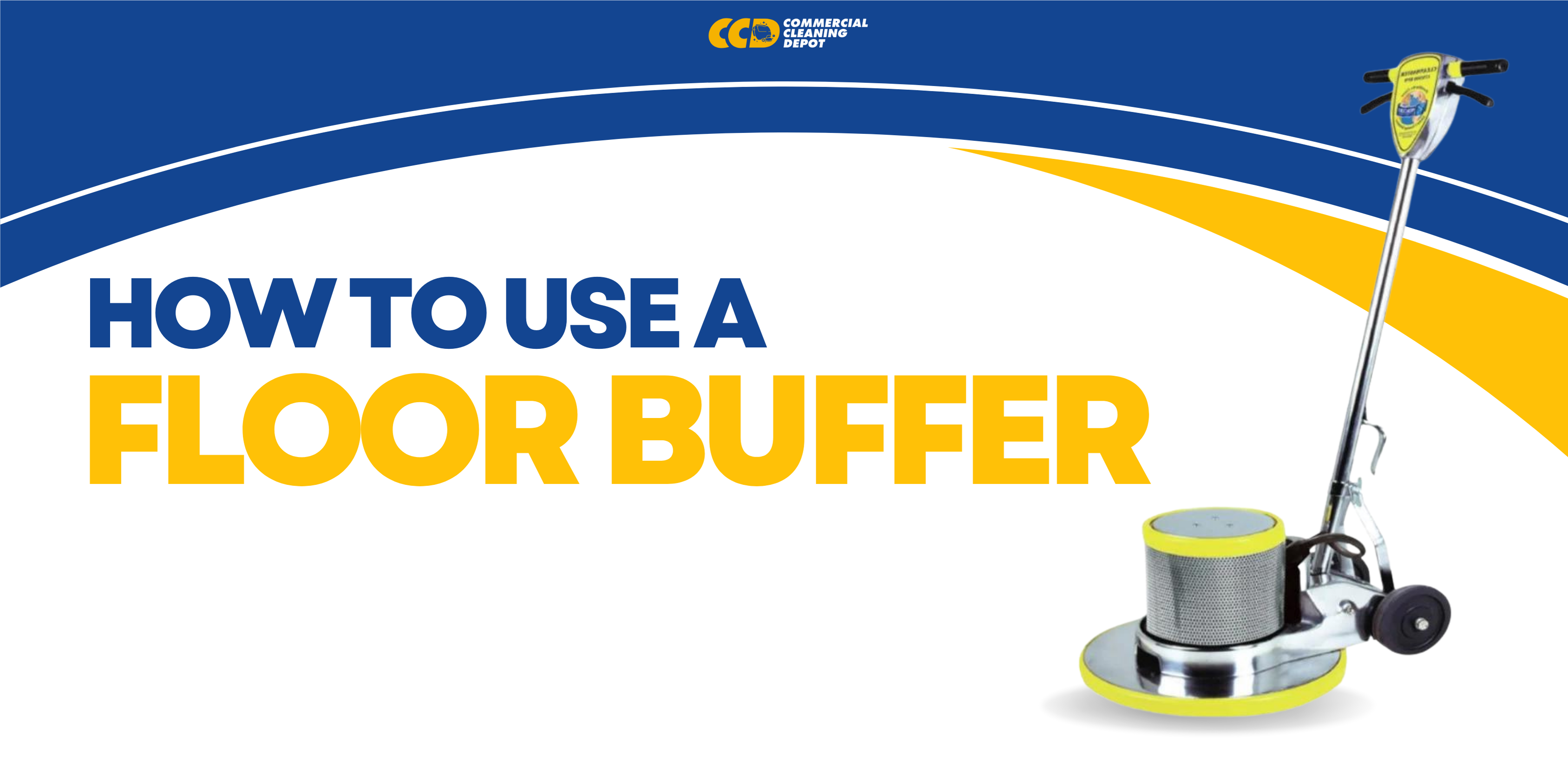
Ever walked into a building and marveled at the gleaming floors? Those shiny surfaces are often the result of a floor buffer. This powerful machine can transform dull, scuffed floors into smooth, glossy surfaces that catch the eye. Many people feel unsure about using a floor buffer, but with the right know-how, it's a task anyone can master.
Using a floor buffer involves applying a cleaning solution, moving the machine in smooth, overlapping passes, and maintaining a steady pace. The process starts with choosing the right pad for your floor type and attaching it to the buffer. Next, you apply the cleaning solution to the floor or pad. When you turn on the machine, it spins the pad to clean and polish the surface.
Floor buffers are common in hotels, offices, and stores. They come in different sizes and types to suit various needs. Some are designed for small areas, while others can handle large spaces quickly. Learning to use a floor buffer can save money on professional cleaning services and keep floors looking great year-round.
Key Takeaways
- Floor buffers require proper technique and safety precautions for effective use
- Different floor types need specific pads and cleaning solutions for the best results
- Regular maintenance of both the floor and the buffer machine ensures long-lasting shine
Preparing for Buffing
Getting ready to buff floors involves careful cleaning and workspace setup. These steps are key to a smooth and effective buffing process.
Cleaning the Floor
Start by removing all furniture and objects from the area. Sweep or vacuum the floor to get rid of loose dirt and debris. This step is crucial for preventing scratches during buffing.
Next, mop the floor with a suitable cleaning solution. A microfiber mop works best here - it picks up fine particles that a standard mop leaves behind. Pay extra attention to stains or sticky spots.
For commercial spaces,
- Use a commercial-grade vacuum cleaner
- Choose pH-neutral cleaners for most floor types
- Follow the manufacturer's guidelines for cleaning solution dilution
Allow the floor to dry completely before moving on to the next step.
Setting Up the Workspace
Safety is a top priority when setting up for buffing. Put on proper safety gear, including:
- Non-slip shoes
- Safety glasses
- Dust mask
Ensure good ventilation in the area. Open windows or use fans to improve air circulation.
Gather all necessary equipment,
- Floor buffer
- Appropriate buffing pads
- Extension cords (if needed)
Check that all equipment is in good working order. Replace worn pads or damaged cords.
Set up a clear path for buffing. Plan your route to cover the entire floor efficiently. Start in a corner farthest from the exit to avoid walking on buffed areas.

Choosing the Right Floor Buffer for the Job
Before you start buffing, make sure you have the right machine for the job. A standard single-disc buffer with a 17- or 20-inch pad handles most commercial and residential floors, while a ride-on burnisher is better suited for large open areas like warehouses or airport terminals.
Here's a quick breakdown of the main machine types,
-
Single-disc buffer (17- or 20-inch pad):
This is the workhorse for most facilities. It's good for scrubbing, polishing, and spray buffing on tile, VCT, hardwood, and concrete.
-
Cylindrical scrubber:
The cylindrical scrubber uses rotating cylindrical brushes instead of a flat pad. It's better for textured surfaces and grout-heavy tile floors where a flat pad won't reach.
-
Ride-on burnisher:
The ride-on burnisher is built for large, open floor plans. It covers ground fast and runs at high RPM for a wet-look shine on thermoplastic floors, but it's overkill for anything under roughly 10,000 square feet.
RPM matters when choosing a machine, too. Low-speed buffers (175-300 RPM) are designed for scrubbing and stripping, while high-speed buffers (1,000-3,000 RPM) are built for spray buffing and producing a high-gloss finish.
Picking the wrong speed range for your task can damage the finish or leave swirl marks, so match the machine to the job before you plug anything in.
How to Use a Floor Buffer
Using a floor buffing machine correctly involves mastering key techniques. These include starting the machine properly and moving it in the correct pattern across the floor.
Starting the Buffing Process
To begin buffing, make sure the floor is clean and dry. Plug in the buffer and check that the pad is securely attached. Stand behind the machine with your feet shoulder-width apart. Grip the handle firmly with both hands.
Check your machine's RPM setting before you lower the pad. Low-speed buffers (175-300 RPM) are best for scrubbing and stripping, while high-speed buffers (1,000-3,000 RPM) are used for spray buffing and producing a high-gloss shine. Using the wrong speed can damage the floor finish or leave swirl marks.
Tilt the buffer slightly to lift the pad off the floor. Turn on the power switch. Slowly lower the pad to the floor, keeping a firm grip on the handle. The buffer will try to move to the right. To counteract this:
- Gently raise the handle to move right
- Lower the handle to move left
- Keep the pad flat on the floor
Start in a corner and work backwards towards the exit. Move slowly in straight, overlapping passes.
Tip: For a quick shine between deep cleans, spray buffing is a solid option. Mist a spray buff solution directly onto the floor just ahead of the machine and buff at high speed. This restores gloss without stripping the finish. This technique is most useful for high-traffic areas that need a refresh between scheduled deep cleans.
Clocking the Buffer
Clocking refers to the side-to-side movement pattern used when buffing. To clock the buffer:
- Start with the pad flat on the floor
- Raise the handle slightly to move right
- Lower the handle to move left
- Repeat in a smooth, steady motion
Keep your movements deliberate and even. Aim for a 45° angle when raising and lowering the handle. This creates an even, overlapping pattern across the floor.
Try to maintain a consistent speed and pressure. Avoid sudden movements or changes in direction. With practice, you'll develop a rhythm that produces the best results.
Read more: Floor burnisher vs buffer.
Maintenance of the Equipment
Proper maintenance of floor buffers is crucial for their longevity and performance. Regular upkeep ensures the machine operates efficiently and safely. Here are some tips to maintain your floor buffer:
Clean the Buffer
Clean the buffer after each use. Unplug the machine and wipe down the exterior with a damp cloth. Remove any debris or residue from the base plate and wheels.
For deeper cleaning:
- Remove the drive block or pad holder
- Wash with mild soap and water
- Rinse thoroughly and let dry completely
Check the power cord for fraying or damage. Replace if necessary.
Also, lubricate moving parts monthly with machine oil. Focus on:
- Wheel bearings
- Handle joints
- Motor shaft
Store the buffer in a dry area, off the floor, to prevent moisture damage.
To better understand the functions of a floor buffer, explore how it works and its applications. If you're comparing tools, check out our floor buffer vs floor scrubber comparison to find the right solution for your needs.
Change Buffing Pads
Replace buffing pads regularly for best results. Some telltale signs that it's time for a new pad are:
- Visible wear or thinning
- Reduced effectiveness
- Uneven buffing performance
To change the pad,
- Unplug the machine
- Flip the buffer on its back
- Remove the old pad
- Center the new pad on the drive block
- Secure it firmly
Here's how to choose the right pad for each task:
- White: Light cleaning and polishing
- Red: Light scrubbing and buffing
- Blue: Heavy-duty scrubbing
Tip: Always keep spare pads on hand to avoid work disruptions.
Safety and Precautions
Using a floor buffer requires care and attention to protect yourself and others. Proper safety gear and good ventilation are key to a safe buffing experience.
Use Personal Protective Gear
Safety comes first when operating a floor buffer. Wear slip-resistant shoes to maintain your footing on wet or slippery surfaces, and put on safety glasses to protect your eyes from dust and debris. If the machine is loud, use ear protection.
Gloves can help shield your hands from harsh chemicals while also improving your grip on the machine. If you're working with dusty floors or strong cleaning products, wear a dust mask for added protection.
Consider these essential safety items:
- Non-slip shoes
- Safety glasses
- Earplugs or muffs
- Work gloves
- Dust mask
Ensure Proper Ventilation
Good air flow is crucial when using a floor buffer. Open windows and doors to let fresh air in. This helps remove fumes from cleaning products and dust from the air.
In buildings without windows, turn on fans or the HVAC system to circulate air. This keeps the work area safer and more comfortable.
If you smell strong fumes, take a break and let the area air out. Never use a buffer in a closed space without proper ventilation. This can be dangerous to your health.
Tips for good ventilation,
- Open windows and doors
- Use fans to circulate air
- Take breaks in the fresh air
- Avoid working in an enclosed space

Treating Different Floor Types
Floor buffers work differently on various surfaces. Proper techniques and materials are crucial for each floor type.
Buffing Hardwood Floors
Hardwood floors need gentle care when buffing. Start by sweeping and vacuuming to remove dirt. Next, use a soft buffing pad and a wood-specific polish.
Move the buffer slowly in straight lines, overlapping each pass. Apply light pressure to avoid damaging the wood. Work in small sections, about 3x3 feet at a time.
Finally, for scratched areas, use a fine-grit sandpaper attachment before polishing. Finish with a clean microfiber pad to remove excess polish and create shine.
- Always test in an inconspicuous area first
- Buff with the wood grain, not against it
- Avoid water-based products on hardwood
Read more: What does a floor buffer do?
Buffing Non-Hardwood Floors
Non-hardwood floors, such as tile, vinyl, or concrete, require different approaches. Choose pads and cleaning solutions made for each surface type.
For tile, use a medium-stiff brush attachment to clean grout lines. On vinyl composition tile (VCT), stick to soft pads and a pH-neutral cleaner. Either acidic or alkaline cleaners will break down the acrylic finish layer and require costly re-coating.
Concrete requires diamond-impregnated pads because the surface is too hard and abrasive for standard fiber pads. The embedded diamonds micro-grind the surface to remove oxidation and scratches, producing a durable, low-maintenance shine without chemical coatings.
Buffing speed matters too. Slower speeds work better for deep cleaning, while faster speeds create more shine. Adjust based on the floor's condition and desired outcome.
- Change pads often to prevent dirt buildup
- Use walk-behind buffers for large areas
- Consider floor sealants after buffing for added protection
Read more: How to use a floor buffer on concrete.
How to Choose the Right Pad Color
The pad color system is the fastest way to match the right abrasiveness to the task. Here's the full breakdown,
-
Black:
Aggressive stripping to remove old wax and finish. Use only on heavily soiled or coated floors.
-
Green:
Heavy scrubbing to remove embedded dirt without stripping the finish.
-
Blue:
Medium scrubbing for general cleaning on lightly soiled floors.
-
Red:
Light scrubbing and spray buffing to restore shine between deep cleans.
-
White:
Final polishing and dry buffing to produce a high-gloss finish on clean floors.
-
Tan/Beige:
Burnishing at ultra-high speed for thermoplastic floors requiring a wet-look shine.
Matching the pad to the task protects your floor finish and extends the life of both the pad and the surface.
Finishing Touches
The final steps in buffing a floor involve applying a protective finish and cleaning up. These tasks ensure a polished, long-lasting result and a tidy workspace.
Applying Floor Finish
After buffing, apply a floor finish to protect and enhance the surface. The right product depends on your floor type:
- Water-based acrylic finish is the most common choice for VCT and tile because it dries fast and resists yellowing.
- Paste wax suits hardwood but requires more frequent reapplication.
- Urethane finishes offer the hardest protection but cannot be stripped with standard buffing pads, so factor that into your long-term maintenance plan.
Here are the key application steps,
- Vacuum or sweep the floor to remove dust.
- Use a microfiber mop applicator to apply the finish in thin, even coats.
- Start at the farthest corner and work towards the exit.
- Allow each coat to dry 30-45 minutes before applying the next - do not rush this step, as applying a wet coat over a tacky one causes clouding and peeling.
- Apply 2-3 coats for standard settings.
In high-traffic commercial settings such as hospitals, schools, or retail stores, apply 4-5 coats for a more durable finish layer.
Tip: Use a water-based acrylic finish for faster drying and less odor on VCT and tile floors. Let the final coat dry for at least 24 hours before heavy foot traffic.
Clean Up After Buffing
Proper clean-up is crucial for safety and equipment maintenance. Follow these steps,
- Unplug the buffer and wind the cord neatly.
- Remove and clean the buffing pad.
- Wipe down the buffer with a damp cloth.
- Dispose of any used buffing solution properly.
- Store cleaning products and equipment securely.
Clean all tools and containers used during the process. Ensure the area is free of slip hazards by removing any residual soap or buffing solution from floors and surfaces.
Conclusion
Floor buffers are essential tools for maintaining commercial spaces. Used correctly, they keep floors looking sharp in hotels, offices, schools, and any facility where appearance and safety matter.
Safety is crucial when operating floor buffers. Always wear protective gear and ensure proper ventilation in the workspace.
Regular buffing is a skill worth investing in - for maintenance staff especially, it's one of the most cost-effective ways to extend floor life and reduce re-coating frequency.
Ready to achieve that professional shine? At Commercial Cleaning Depot, we're proud to offer American-made excellence with Mercury Floor Buffers and Hawk Enterprises - the top choice of cleaning professionals nationwide.
Master your floor care with premium equipment at unbeatable prices:
✓ Industry's lowest price guarantee
✓ Free Expedited shipping
✓ Zero sales tax (Excl. WY)
✓ Bulk order discounts
✓ 30-day hassle-free returns
✓ Lifetime expert support
PS: First-time buffer user? Our specialists can help you choose between the best models to get you started!